Why Representation Matters in Eating Disorder Treatment
Blog Post by Alexa Reyes Garcia, Social Work Supervisee at Rock Recovery
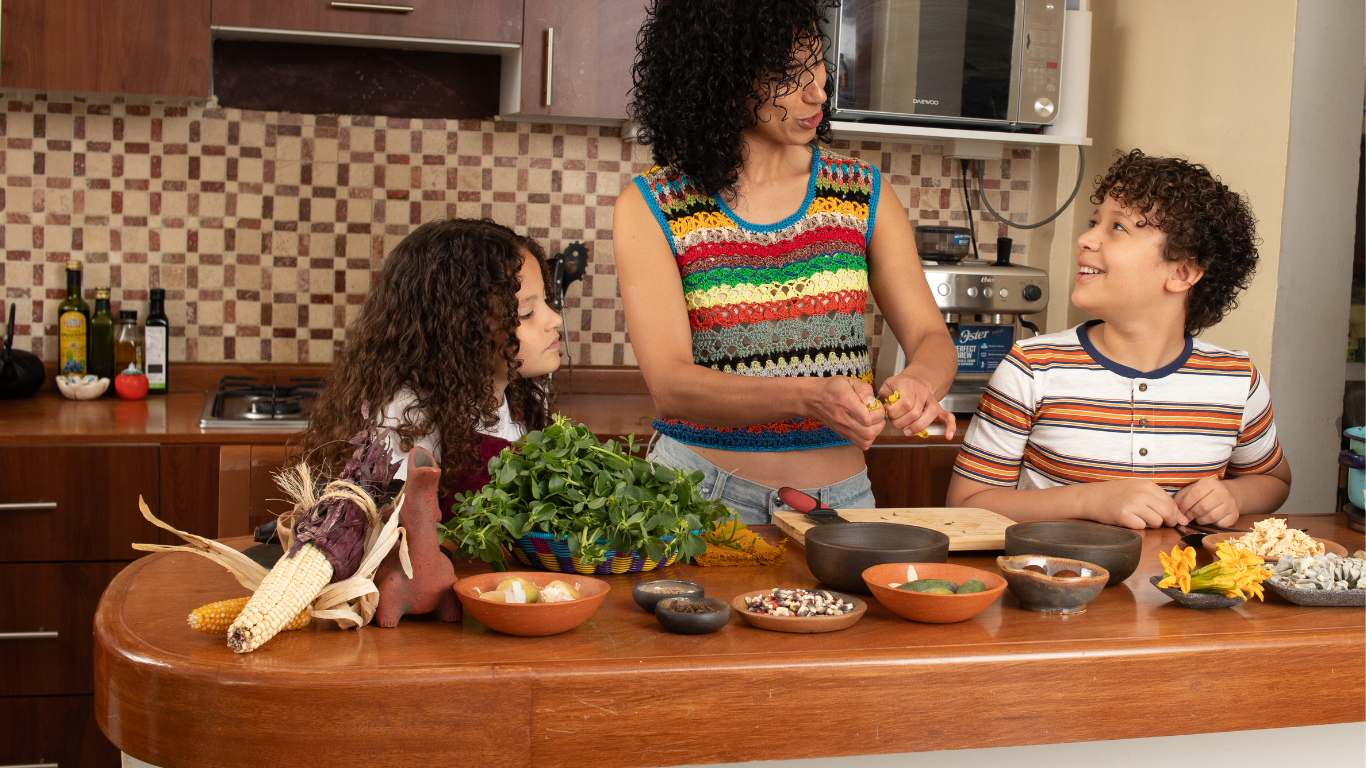
In honor of Hispanic Heritage Month 2026, we want to celebrate the histories, cultures, & contributions of our resilient communities. We honor our roots, where we come from, and those who have paved the way for us so that future generations could dream bigger. May we always embrace who we are and remember that our voices deserve to be heard and our presence deserves to be seen.
For me, being Latina and the daughter of immigrants has shaped the way I see and understand the world. Growing up in an immigrant household meant learning early on that caring for ourselves often meant caring for our families and the people we love, too.
While our stories and experiences may differ, many share a common thread of sacrifice and perseverance. We carry the stories of generations who have left behind their home countries, learned a new language, and worked hard to create opportunities that they themselves never had. For some, this journey also meant separation from loved ones and holding on to hope that those sacrifices would create a better future in place.
Living between cultures can also teach us to navigate more than one world. We learn to embrace our American identity while remaining deeply connected to our families and the places our families call home. Along the way, we may also come to recognize the importance of our voices. For some of us, this may mean translating important documents, speaking up when our families need support, or finding our way through systems that were never designed with our communities in mind. In many ways, we became advocates long before we even knew there was a word for it.
Because of this, I think there is something especially meaningful about feeling represented and understood in eating disorder treatment. For many people in Hispanic and Latino communities, seeking treatment means bringing many different parts of one's identity into the room. Culture, family, traditions, and lived experiences can all shape the way we understand food, our bodies, and what recovery means to us. At times, recovery can bring up questions about how different parts of our identity can coexist. There may be a fear that healing means letting go of parts of ourselves that feel deeply connected to who we are. Representation in eating disorder treatment can help create a different possibility: one where you do not have to choose between recovery and your identity, but can explore what healing looks like while honoring the parts of yourself that matter most.
This connection becomes even more significant when we consider the central role food plays in our culture. Food can be a way to express our love and care for one another. When life gets busy and finding time to connect can be difficult, sharing a meal gives us a chance to slow down and be present. We gather around the table, catch up, share stories, laugh, and enjoy each other’s company. What starts as a simple meal can become hours spent together, sharing stories and making memories. Sometimes, the moments we remember most are the ones that happen around the table.
When food holds this much significance, our relationship with it cannot always be separated from the experiences that shape us. For some families, conversations about appearance may feel familiar, especially when they have been part of everyday life growing up. For example, appearance-based nicknames may sometimes be shared playfully or affectionately as a way of expressing endearment and closeness within relationships. Even when these words are meant with love and without the intention to cause harm, they can still deeply influence how we come to see ourselves over time. At the same time, we may encounter messages about what our bodies are “supposed” to look like. These ideas of beauty can come from many places, including family, friends, peers, social media, and the broader culture around us.
Our relationship with food can also be shaped by the messages and beliefs we learn from an early age. For some families, these beliefs may be connected to experiences of food insecurity, financial hardship, or being taught that food should never be wasted. For others, they may come from the ways food, weight, and body image are discussed at home. As part of recovery, it can be helpful to take a closer look at these messages and see where they came from, what they mean to us, and whether they still serve us. Challenging a belief does not mean rejecting our families or our culture. It can mean understanding where certain beliefs came from while also deciding what we want our relationship with food and our bodies to look like moving forward.
It is also important to recognize that mental health can sometimes be a difficult or uncomfortable topic to discuss within our communities. These conversations may even feel taboo, especially when we have grown up learning to keep personal struggles private or handle them within the family. We may have heard phrases like, “No estoy loco/a” or have been encouraged to pray through difficult moments. These messages can shape how we understand mental health and whether we feel comfortable seeking support. Giving ourselves permission to talk openly about what we are experiencing can be a meaningful step toward recovery.
This is why having a provider who understands and respects the cultural context of our experiences can make a big difference. No one should feel responsible for explaining or defending their culture before feeling safe enough to be honest. This is where culturally responsive and person-centered care becomes so important. Care should not assume that everyone will have the same experiences or respond in the same way. Instead, it should make space for each person’s unique story and the experiences that have shaped them.
Representation is not simply about seeing someone who looks like us. It is about feeling understood within the context of our lives. When that understanding is present, it can feel easier to speak openly about what we are experiencing and what we need. Most importantly, it can create the freedom to bring every part of who we are into the healing process.
Key Takeaways
You do not have to choose between your culture and your healing.
Notice the messages you have learned about food and your body.
Give yourself permission to question messages that no longer serve you.
Make space for conversations about mental health.
Bring your culture into the room!
Find providers who are willing to listen AND learn.
Let recovery be your own.
If you or someone you know would like to learn more about Rock Recovery’s eating disorder therapy programming, please schedule a free, 20-minute consultation with us today to get connected!
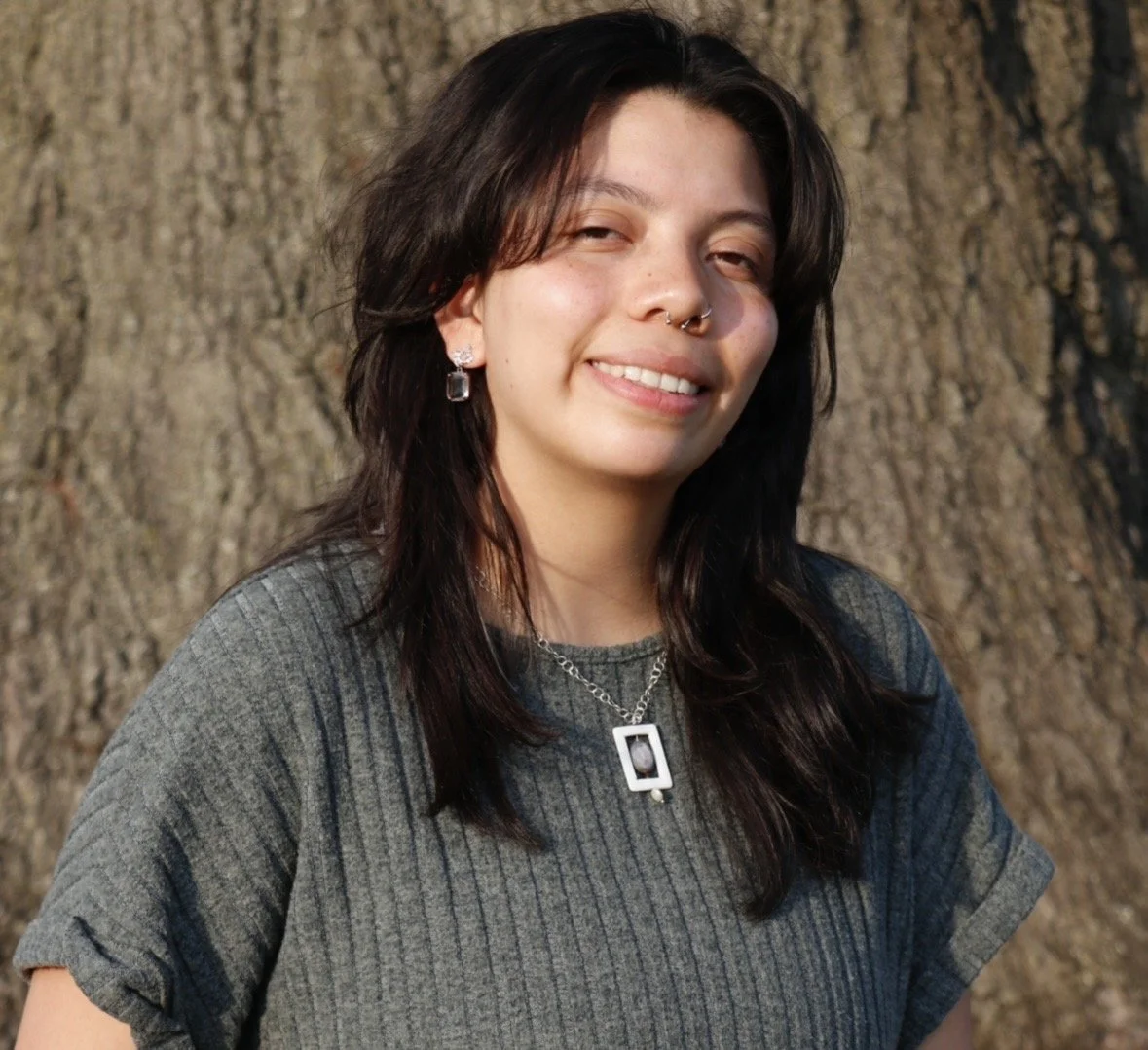
Alexa Reyes Garcia - MSW
Rock Recovery
About the Author: Alexa Reyes Garcia is a Social Work Supervisee in the state of Virginia. She started with Rock Recovery in July 2026. She received her MSW, as well as her BSW with a minor in Psychology through Virginia Commonwealth University. Alexa is passionate about meeting clients where they are and supporting them as they build a more compassionate relationship with themselves. She is strongly committed to culturally responsive care and to creating a therapeutic space where clients feel safe and free to be their authentic selves. Alexa provides virtual individual therapy in both English and Spanish to residents of Virginia and in-person individual therapy at our Arlington, VA location. Alexa also leads our in-person Breaking Bread meal support therapy group, our in-person Bridge to Life body image therapy group, and our in-person Teen Bridge to Life body image therapy group.