
5 Tips for Navigating College While in Eating Disorder Recovery
Blog Post by Contributing Editor Casey Tallent, PhD
Senior Director of Strategic Partnerships and Virtual Growth at Eating Recovery Center

For those enrolled in college for the first time or returning to campus, there are many things you can do to help navigate this exciting but often challenging time.
College culture can be particularly challenging for students in eating disorder recovery. Academic stress, social changes, increased independence and major life transitions can all add pressure to emotional well-being and recovery efforts.
How can students navigate eating disorder recovery while in college?
To help create the most successful college experience possible, the following are five tips for navigating college while in eating disorder recovery.
1) Identify treatment and recovery support options
Nearly every college now offers university health and counseling centers that provide outpatient mental health treatment options. Call the college counseling center to see if they offer the right service for you and make an appointment early. This will allow you to develop a relationship with a provider or make alternative arrangements if they don't offer services. It's easier to reach out during a difficult time to a provider with whom you have already established a relationship.
2) Seek out supportive peers and recovery support
Look for a mental health advocacy group such as Active Minds or something similar on campus. These groups can help you find a supportive, knowledgeable peer network and engage in productive coping strategies.
If you're recovering from an eating disorder, peer support can help reduce feelings of isolation and strengthen long-term recovery. Look for an eating disorder support group on campus or online through a nonprofit.
You may also benefit from staying connected to trusted friends, family members, treatment providers or recovery communities that can help support you throughout the semester.
3) Don't overcommit
You may be tempted to get involved with everything, but don't. Choose one or two things that you feel passionate about and get involved with those. This will help you avoid feeling overwhelmed with multiple commitments when your academic workload becomes challenging.
4) Remember your most important values
Know what you value most and incorporate those values into your schedule. If family connection is important to you, put family time in your schedule. If community service is important to you, get involved with a service organization on campus. If work is important, find a campus job where academic deadlines will be understood.
The bottom line is to consider your values and plan your schedule with them in mind.
Planning for regular meals, adequate sleep, ongoing treatment support and stress management can help you stay connected to your recovery goals throughout the school year.
5) Practice self-care and ask for help
Include time each day to practice mindfulness and relaxation, and make sure you are getting quality sleep, eating regular meals and maintaining a consistent daily routine. Sleep, nutrition, movement and social connection all play important roles in supporting recovery during college.
In working with thousands of students, I noticed that these important wellness practices are often abandoned by students. In order to fully function academically and socially, you need to be well rested, nourished and emotionally prepared.
You are not alone. Don't be afraid to ask for help. Silence is easy, but asking for help is a sign of strength.
Periods of transition can sometimes make thoughts, fears or urges feel stronger. Having a plan for whom to contact and how to access support can make it easier to navigate difficult moments before symptoms escalate.
If you're struggling, don't wait until things feel unmanageable before reaching out. Many students benefit from outpatient therapy, while others may need a higher level of care. ERC's virtual IOP or Recharge allows students to receive structured treatment while continuing classes and attending to other responsibilities.
When should a college student seek additional eating disorder support?
It may be time to seek professional support if eating disorder symptoms begin interfering with school, relationships, sleep, self-care or daily responsibilities.
Warning signs may include:
Changes in eating habits
Difficulty concentrating
Social withdrawal
Anxiety
Depression
Feelings of hopelessness
Increased distress during times of transition
Early intervention often leads to better outcomes. Seeking support is not a sign of weakness. It is a proactive step toward protecting your health, recovery and academic success.
Recovery and college can coexist
Whether you need campus resources, outpatient therapy or a higher level of care, effective support is available. Reaching out early can help you address challenges before they become overwhelming.
College can be a time of growth, independence and recovery. With planning, support and a commitment to your well-being, it is often possible to navigate both college and eating disorder recovery successfully.
If you'd like more information about treatment options with Eating Recovery Center, please complete this form or call 866-492-1321.
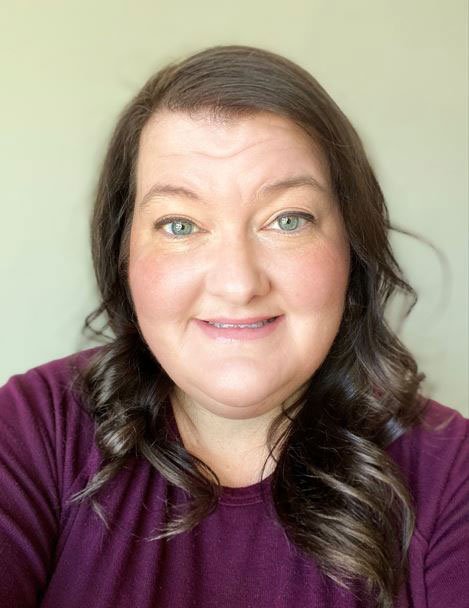
Casey Tallent, PhD
Senior Director of Strategic Partnerships and Virtual Growth at Eating Recovery Center
About the Author: Casey N. Tallent, PhD is the Senior Director of Strategic Partnerships and Virtual Growth for ERC Pathlight Mood and Anxiety Center. Dr. Tallent co-founded ERC and Pathlight’s virtual IOP program in 2016 and has been instrumental in expanding those services nationwide while also developing ERC and Pathlight’s virtual PHP program in response to the current pandemic. In addition to her virtual work, Dr. Tallent conducts trainings for universities and schools across the nation on improving eating disorders treatment services on campus. She has helped many colleges and school districts establish eating disorders treatment teams, guidelines, and response plans. Dr. Tallent is the co-founder of the Nebraska Eating Disorders Network, a non-profit organization focused on providing eating disorders resources to professionals, clients, and families in Nebraska. Before joining Eating Recovery Center, Dr. Tallent was a staff psychologist and Eating Disorders Treatment Team Coordinator at University of Nebraska – Lincoln’s Counseling and Psychological Services. During her tenure at University of Nebraska, she provided counseling to students, coordinated the university’s multidisciplinary eating disorders treatment team, advised student groups, and served as faculty in the graduate counseling psychology program. Dr. Tallent received her BA and Masters in Counseling from University of Missouri-Kansas City, and her PhD in Counseling Psychology from University of Nebraska-Lincoln.