
Why It’s So Hard to Talk About Eating Disorders in the Black Community(And What to Do if You’re Struggling)
Blog Post by Kristyn Soto, Director of Community Partnerships
Why Are Eating Disorders So Hard to Talk About in the Black Community?
Eating disorders in the Black community are widely misunderstood, underdiagnosed, and often overlooked. When many people picture someone with an eating disorder, they imagine a young, thin White woman. This narrow stereotype has shaped public awareness, clinical training, and even who gets support when treatment is needed. In reality, eating disorders affect people of all races, genders, body sizes, and socioeconomic backgrounds—including Black individuals and families.
So why is it so hard to talk about eating disorders in the Black community? The silence is not accidental. It is rooted in stigma, cultural pressure, and longstanding medical bias.
Breaking the Myth: Who Gets Eating Disorders?
Eating disorders show up in many forms. They are not defined by body size or appearance. Common disordered behaviors include:
Avoiding mealtime or social experiences that involve food
Eating beyond fullness or comfort (bingeing)
Overexercising or pushing the body past its limits
Hiding food or eating in secret
Chronic dieting and calorie counting
Obsessive thoughts about food, weight, or body image
These behaviors are often paired with anxiety, mood changes, isolation, fatigue, and more. They are a coping mechanism and a cry for help. Yet many Black individuals experiencing these symptoms are not recognized or diagnosed.
Medical Bias and Eating Disorder Treatment Disparities
Medical bias can play a significant role in eating disorder stigma and underdiagnosis among Black individuals. Research shows that BIPOC patients with eating and weight concerns are significantly less likely to be screened for eating disorders by healthcare providers.
Black women are 25% less likely than White women to receive an eating disorder diagnosis when exhibiting the same behaviors. Only 17% of Black women are accurately diagnosed when seeking care, compared to 44% of White women. Additionally, youth using public insurance are only one-third as likely to receive recommended eating disorder treatment compared to those with private insurance
Access to treatment also remains unequal. These disparities are not about prevalence—they are about perception, access, and bias.
Cultural Pressure and Survival Mode
For many Black individuals, societal pressures and systemic inequities shape how mental health is prioritized. Cultural standards often police Black bodies while excluding them from dominant narratives of health. Diet culture ignores cultural food traditions and reinforces harmful ideas about worth, beauty, and discipline.
At the same time, many Black individuals carry the pressure of survival - managing racism, economic stress, caregiving responsibilities, and community expectations. When daily life requires constant resilience, it can feel difficult, or even unsafe, to name struggles with food, body image, or control.
The Truth About Eating Disorders in the Black Community
The truth is simple and powerful: Black individuals do struggle with eating disorders, and many people know someone who is struggling right now. Black bodies matter. Black mental health matters. And everyone deserves care that is respectful, affirming, and culturally responsive.
There are providers and programs committed to advocating for Black individuals and addressing the barriers that have kept so many from receiving help.
If you or someone you love is struggling, support is available. Rock Recovery offers eating disorder support groups and individual therapy designed to meet people where they are. Additional resources, including treatment assistance and provider referrals, are available through organizations like Project HEAL and The Alliance.
Seeking help is not a weakness—it is an act of self-preservation, community care, and resistance. This Black History Month and beyond, the conversation about eating disorders must include Black voices, Black experiences, and Black healing.
Sources
National Association of Anorexia Nervosa and Associated Eating Disorders
Moreno, R., Buckelew, S. M., Accurso, E. C., & Raymond-Flesch, M. (2023). Disparities in access to eating disorders treatment for publicly-insured youth and youth of color: a retrospective cohort study. Journal of Eating Disorders, 11(1). https://doi.org/10.1186/s40337-022-00730-7
Cheng, Z. H., Perko, V. L., Fuller-Marashi, L., Gau, J. M., & Stice, E. (2019). Ethnic differences in eating disorder prevalence, risk factors, and predictive effects of risk factors among young women. Eating Behaviors, 32, 23–30. https://doi.org/10.1016/j.eatbeh.2018.11.004
Sonneville, K. R., & Lipson, S. K. (2018). Disparities in eating disorder diagnosis and treatment according to weight status, race/ethnicity, socioeconomic background, and sex among college students. International Journal of Eating Disorders, 51(6), 518–526. https://doi.org/10.1002/eat.22846
Kathryn H. Gordon, Marissa M. Brattole, LaRicka R. Wingate, Thomas E. Joiner (2006), The Impact of Client Race on Clinician Detection of Eating Disorders. Behavior Therapy, 37, 319-325. https://doi.org/10.1016/j.beth.2005.12.002
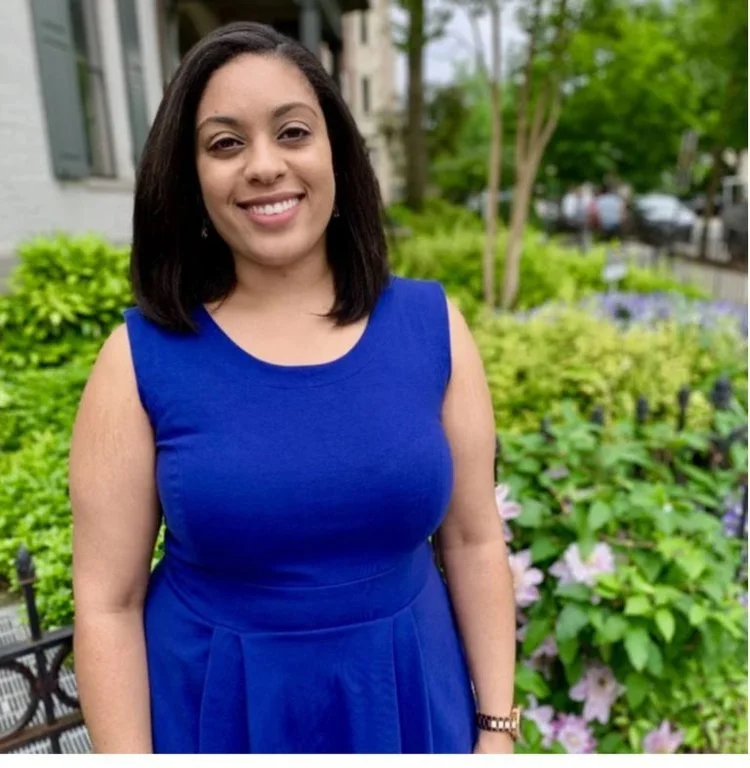
Kristyn Soto, MS
Director of Community Partnerships, Rock Recovery
About the Author: Kristyn Soto, MS is the Rock Recovery’s Director of Community Partnerships. Kristyn joined the Rock Recovery team as their second full-time staff member in 2017. As the Director of Community Partnership, she leads community engagement efforts to expand access to mental health education and care. Kristyn is passionate about supporting Black communities and those historically underserved, working to reduce barriers to eating disorders and mental health care, and strengthen community-centered partnerships. Driven by a deep commitment to caring for others, Kristyn believes everyone deserves access to mental health support and is dedicated to advancing equitable, inclusive approaches to mental health education and recovery. Kristyn holds a Master's of Science degree in Developmental Psychology from the University of Pittsburgh.