
Rebuilding a Movement Life in Eating Disorder Recovery
Blog Post by Contributing Editor Liz Ericson, Founder & Movement Coach, BodiLab
When I was a small child, I moved the way small children do. I explored, played, laughed, danced, and learned new skills. I loved becoming more capable and independent. Movement connected me to my family and to the world around me.
Around age seven, I began to understand that bodies could be wrong. I hadn't thought about it before, and suddenly it was very important that I learn this body hierarchy.
Instead of experiencing my body from within, I began watching it from the outside. Doing new things like learning to rollerblade in front of friends became terrifying to me. I found myself reluctant to move, and hating my reluctance.
Internalizing the Body Hierarchy
Movement returned to me in middle school, and it became a tool of the body hierarchy I had learned. I started running almost by instinct: get out of the house and run. I would return home breathing hard but calmer inside.
Before I had language for it, I had discovered something real about how movement could change my emotional state. Running helped ease my anxiety and left me feeling capable and independent.
Paired with my blossoming eating disorder, running began to feel like I had solved the puzzle. I could relieve anxiety, control my body, and earn approval at the same time. I learned to suppress physical needs and call it discipline. My changing body and the praise surrounding it became evidence that I was succeeding. I was more connected to community through my cross country and track teams. I was managing my anxiety and micromanaging my body.
Movement was helping me. It was also helping me hurt myself.
This pattern is bigger than my personal history. The fitness industry often presents movement as a test of virtue. More discipline is presumed to mean more character. The body is treated as inadequate raw material that must be corrected, punished, and optimized.
Goals are handed to us before we have the chance to decide what we actually want.
Rebellion Is Not the Same as Freedom
By my late teens and early twenties, I had begun questioning the entire premise. Who decides which bodies are good and which are bad? Did I actually believe that?
For years, I moved between rebellion and compliance. I raged against the hierarchy while still struggling to imagine myself outside it. I could reject its cruelty intellectually and continue organizing my choices around its approval. Rejecting body hierarchy was necessary, but it was not the same as being free of it.
First, I had to address needs that movement could not solve. I quit drinking and began taking the anxiety medication I had needed for years.
Then I studied and learned. I listened to writers and teachers working in body liberation and fat activism. I studied intuitive eating. Eventually, my personal interest in movement became professional, and I completed 500 hours of yoga training and a group fitness certification.
Learning gave me language for systems I had previously experienced as personal failure. But there is a limit to what we can change intellectually. Self-liberation has to become physical.
From Learning to Embodiment
I once received a consultation with Virgie Tovar, whose work I had long admired as a fat activist, scholar, and clear-eyed cultural critic. We talked about the limits of intellectual understanding. I could understand body liberation without embodying it.
She described climbing up a steep hill in her neighborhood during the height of COVID. In an email exchange, she remembered it this way:
“I'm not a climber and also have a history of exercise addiction that makes me careful about engaging in exertive exercise just for the sake of it. Still, I was struggling acutely with lockdown, and something in my body told me to climb that hill, fast. As I began to climb, I felt a strong sensation of effort in my thigh muscles. "Keep going," said my body. Before long, there came a warm wave of calm, clarity, hope and even euphoria (things that were in short supply during those days of the pandemic). I felt like my muscles had produced medicine. After that, I craved that feeling in my thighs. And when the craving came, I trusted it.”
That image stayed with me. At the time I didn’t know what my body craved around movement. That hadn’t been relevant to me since I learned my body was wrong.
Autonomy is not the freedom to avoid all difficulty. It is the freedom to discover which difficulties are meaningful to us.
Intuitive Eating introduced me to a framework I could use to reacquaint myself with my body’s cues (Tribole & Resch, 2020). It also introduced the broader idea of “joyful movement” as an alternative to punitive exercise. The concept is powerful. Joy can reopen doors that shame and compulsion have closed. It reminds us that movement can be pleasurable, playful, social, calming, or interesting rather than merely punishing.
But “joyful movement” does not fully describe the movement lives many of us want to build. Not all enriching movement is joyful. Some of it is ordinary. Some of it is effortful. Some of it serves a goal whose value becomes clear over time.
The current framing of Principle 9 is “Movement–Feel the Difference,” which advises readers to tune in to how it feels to move their bodies. This is a valuable evolution, and much of my work focuses on how my clients feel before, during, and after movement. However, if you primarily feel physical discomfort, pain, or just blankness in your body, then it can be very difficult to use changes in how you feel as your primary guide.
Movement might mean dancing because a song makes the body respond, practicing strength because carrying heavy things matters, or resting and returning thoughtfully after time away. It can include pleasure, challenge, quiet reflection, and the gradual development of stamina, mobility, coordination, or physical capacity.
For people whose experience with movement has been punitive or violent, hard physical effort can feel frightening even after we begin rejecting the body hierarchy. We may worry that effort will become a slippery slope back toward self-harm through movement. Learning to reincorporate effort on our own terms takes time.
When rebuilding a movement life on your terms, the question is whether a particular goal comes from the life you want to live or from a culture that has already decided what your body should become. Goals do not inherently mean that we have rejected our bodies. What matters is where they come from, how we pursue them, and what happens to our relationship with ourselves along the way.
Designing a Movement Life From the Inside Out
Redesigning my movement life, I prioritize both what feels good now and what serves me over time. I want personally meaningful goals, along with room for everything in my life that is not movement. I want movement to be something I can remain in relationship with through enthusiasm, reluctance, ambition, changing capacity, and rest.
That relationship is not designed once. It is drafted and refined as the body, the person, and the life around them change.
In my one-to-one work, refining goals is a foundational part of that design process. I take time to understand each client’s movement history, preferences, present circumstances, and what they hope movement might make possible in their lives. Many of the people who have sought out my work already understand the value of greater compassion around food and their bodies, but have found fewer resources for reimagining movement.
Together, we consider what in their movement history needs to be deconstructed, what they want to embody more fully, what remains open for exploration, and what they are ready to reimagine.
Every client is different, and no one movement life can be designed from a universal template.
Some people have rarely experienced intentional movement as pleasurable or personally meaningful. Others remember feeling capable and powerful in sports before injury, shame, illness, or life changes complicated that relationship. One person may want strength and challenge; another may want mobility, confidence, play, rest, or relief from stiffness. Most people want more than one thing.
There is no single formula for rebuilding a movement life because there is no single way people become estranged from movement. We have to look at what came before, notice which goals are truly ours and which were handed to us, and design from the needs and possibilities of the life being lived now.
Sources:
Tribole, E., & Resch, E. (2020). Intuitive Eating: A Revolutionary Anti-Diet Approach (4th ed.). St. Martin’s Essentials.
Intuitive Eating. (n.d.). 10 Principles of Intuitive Eating. https://www.intuitiveeating.org/about-us/10-principles-of-intuitive-eating/
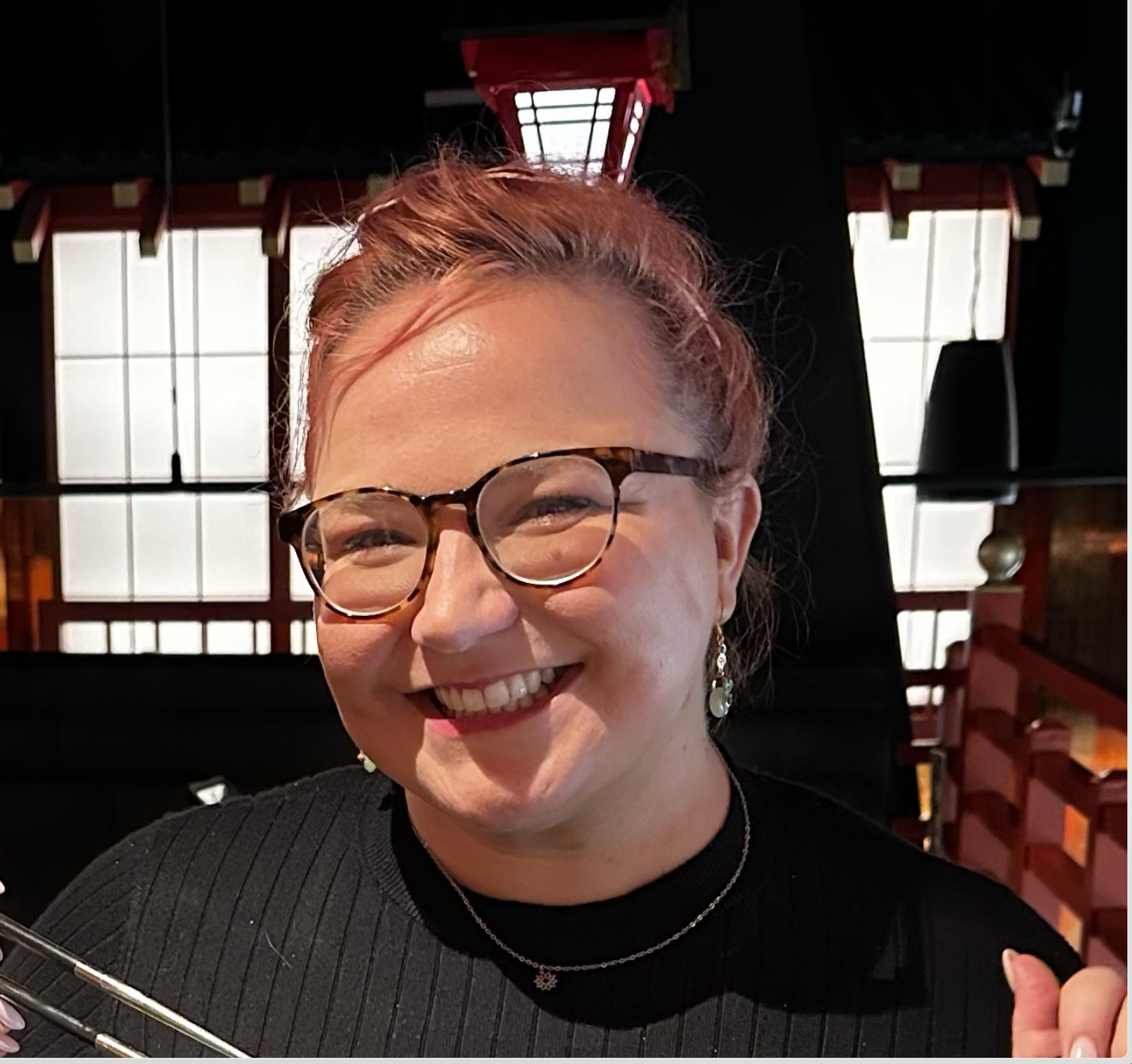
Liz Ericson, Founder & Movement Coach, BodiLab
About the Author: Liz Ericson is the founder of BodiLab, a size-inclusive movement coaching practice in the Washington, DC area, offering both online and in-person sessions. A HAES-aligned, 500-hour registered yoga teacher and ACE Certified Group Fitness Instructor, Liz works with clients to explore movement history, refine personally meaningful goals, and build movement practices around their bodies, lives, and priorities. Her work emphasizes autonomy, strength, mobility, and present-moment awareness when appropriate.